
HAVEN
A PLANETARY RESTORATION INTERFACE
Haven is a platform for ecological restoration, environmental intelligence, and human stewardship.
It connects real landscapes with sensor networks, geospatial analysis, ecosystem-service modeling, and immersive digital twins—creating a living interface through which communities can observe, understand, and restore ecosystems together.
What begins with a few sensors in the soil can grow into a network of restoration nodes across farms, forests, watersheds, and cities.
Haven is designed as a framework for planetary restoration. Within this framework, regional initiatives can emerge—each rooted in the ecological and cultural landscapes of a particular place.
One of the first such initiatives is Levanta, a restoration effort focused on the landscapes of the Levant.
Read the Haven White Papers
The first Haven White Papers are now complete.
They describe the philosophy, technical architecture, pilot strategy, and long-term vision behind the platform.
Why Haven
Across the planet, soils are degrading, forests are disappearing, watersheds are destabilizing, and communities are becoming increasingly disconnected from the living systems that sustain them.
At the same time,
the technologies now exist to do something new.
We can place low-power environmental sensors in the land.
We can map ecological change across landscapes.
We can model water retention, habitat restoration, and carbon sequestration.
We can build digital twins that allow people to explore restored futures before they fully emerge.
Yet these tools remain fragmented.
Haven brings them together into a single restoration interface—allowing communities to measure, understand, and participate in ecological renewal.

What Haven Does
Haven integrates five core layers of ecological intelligence.
Environmental sensing
Small sensor nodes measure ecological signals such as soil moisture, soil temperature, electrical conductivity, air conditions, and hydrologic patterns.
Low-power communication
These signals travel through long-range, low-power communication networks such as LoRaWAN, allowing restoration sites to remain connected without heavy infrastructure.
Geospatial intelligence
Environmental data flows into geospatial systems such as ArcGIS, where soil, water, vegetation, topography, and restoration zones can be viewed together across landscapes.
Ecosystem modeling
Tools such as ARIES help translate restoration work into measurable outcomes including water retention, carbon capture, habitat support, and watershed resilience.
Digital twins and immersive environments
Through Unreal Engine and related technologies, landscapes can eventually be explored as living digital environments—supporting restoration planning, education, and participatory design.
A Living Feedback Loop
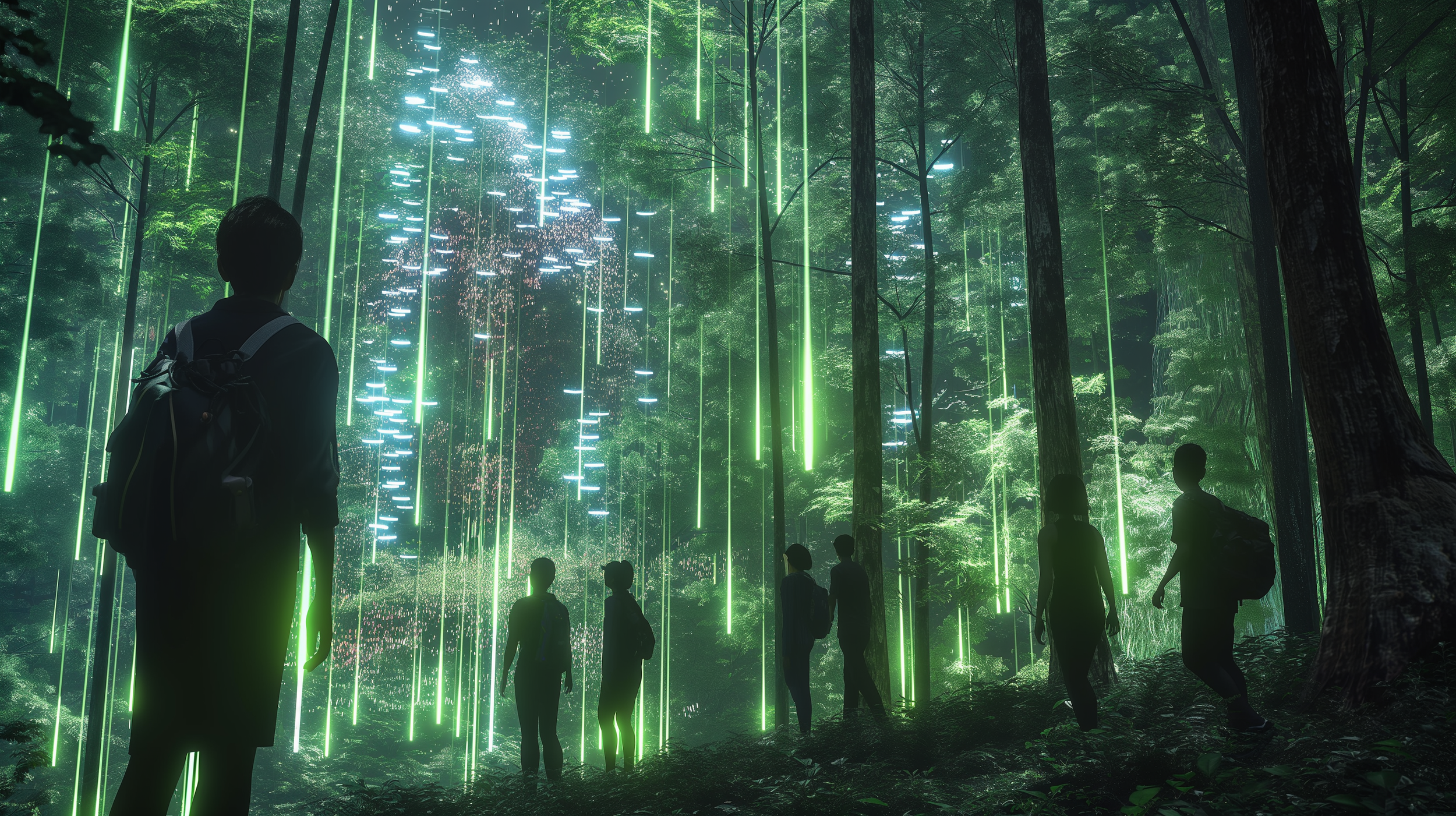
Haven is not only a monitoring system. It is a participatory feedback loop.
Landscapes generate signals.
Sensors help us observe them.
Maps and models help us interpret them.
Communities respond through restoration.
The land changes—and new signals emerge.
In this way, Haven becomes a platform for cybernetic ecology: a system in which observation, interpretation, and stewardship continuously shape one another.
Pilot Development
The first demonstrations of Haven are emerging through real landscapes, community partnerships, and public education.
Early development includes:
• low-cost restoration sensor nodes
• geospatial dashboards for ecological monitoring
• restoration node pilot planning
• environmental intelligence white papers
• interactive educational exhibits through The Permaculture Place in Shelburne Falls
These early efforts form the foundation for a distributed network of restoration intelligence.
Human Stewardship
Technology is not the point.
Haven exists to help restore a deeper relationship between people and the living world.
Sensors help us listen more carefully.
Maps help us see more clearly.
Models help us understand ecological change across time and space.
But stewardship ultimately depends on people choosing to care for land, water, and one another.
Haven is built around that conviction.
Future Phase: Human Health and Ecological Regulation
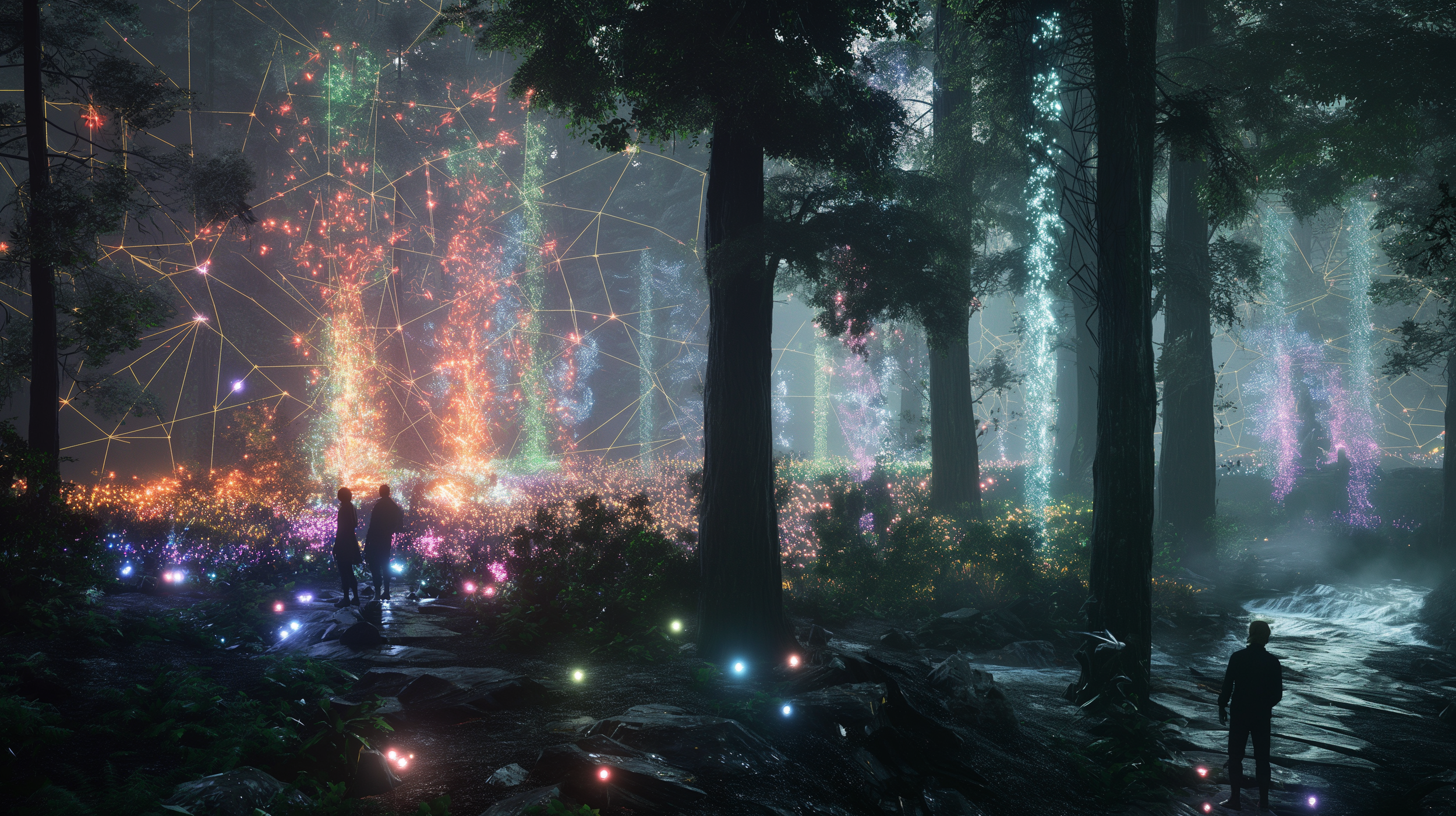
As Haven develops, future phases of the platform will also explore how restored ecosystems influence human physiological regulation.
Through a planned Haven Autonomic Measurement Lab, the project will study how environmental restoration may affect indicators such as:
• heart-rate variability (HRV)
• breathing patterns
• recovery and sleep dynamics
• stress-response indicators
• embodied regulation and balance
The goal is not to medicalize restoration, but to better understand a profound possibility: that restored landscapes help restore people as well.
Levanta: Restoration in the Levant
Within the broader Haven framework, regional restoration initiatives can emerge that focus on specific landscapes and cultural contexts.
Levanta is one such initiative.
Levanta focuses on ecological restoration and stewardship across the Levant, a region whose landscapes have carried both deep cultural history and significant ecological strain.
For those of us whose roots are in Lebanon and the surrounding region, this work carries a personal hope.
Even amid crisis, the land remembers how to heal.
Reforestation, soil regeneration, watershed restoration, and regenerative agriculture can help communities rebuild ecological resilience.
Through Haven, initiatives like Levanta can draw on shared tools—environmental sensing, ecological modeling, and restoration intelligence—while remaining rooted in the traditions and knowledge of the places they serve.

From Local Nodes to a Planetary Network
The long-term vision for Haven is a distributed planetary restoration network.
A single node may begin on one farm, one forest edge, one watershed, or one community site.
Over time, many nodes can connect:
• regenerative farms
• urban microforests
• watershed restoration projects
• ecological education centers
• reforestation initiatives like Levanta
Together these places can form a living atlas of the Earth healing itself.
Build With Us
Haven is currently entering its early formation phase.
We are developing:
• restoration pilot nodes
• environmental sensing infrastructure
• geospatial restoration dashboards
• research partnerships
• collaborative restoration networks
If you are a restoration practitioner, environmental engineer, ecologist, geospatial designer, researcher, educator, or collaborator drawn to this vision, we welcome connection.
This work will grow node by node, relationship by relationship, landscape by landscape.
A living map of restoration.
A new interface for stewardship.
A future built with the land, not against it.